Herbert Natural Healing | Early Detection and Prevention: The Sign Dilated Pupils as a Neonatal Marker of Subclinical Adrenal Insufficiency
- Natural Healing
- January 16, 2026
- No Comment
- 17 minutes read
Early Detection and Prevention: The Sign Dilated Pupils as a Neonatal Marker of Subclinical Adrenal Insufficiency
Introduction
One of the most significant challenges in addressing subclinical adrenal insufficiency and its associated syndromes has been the late recognition of the condition. Patients typically present in their twenties and thirties with complex, multi-system symptoms that have often taken years to manifest. However, emerging clinical observations suggest that the earliest signs of this condition may be detectable from birth, offering unprecedented opportunities for early intervention and prevention.
The identification of dilated pupils in newborns as a potential marker of congenital subclinical adrenal insufficiency represents a paradigm shift from reactive treatment to proactive prevention, potentially transforming the trajectory of countless lives.
The Neonatal Presentation: Dilated Pupils as an Early Warning Sign
The Clinical Observation
The Underlying Mechanism
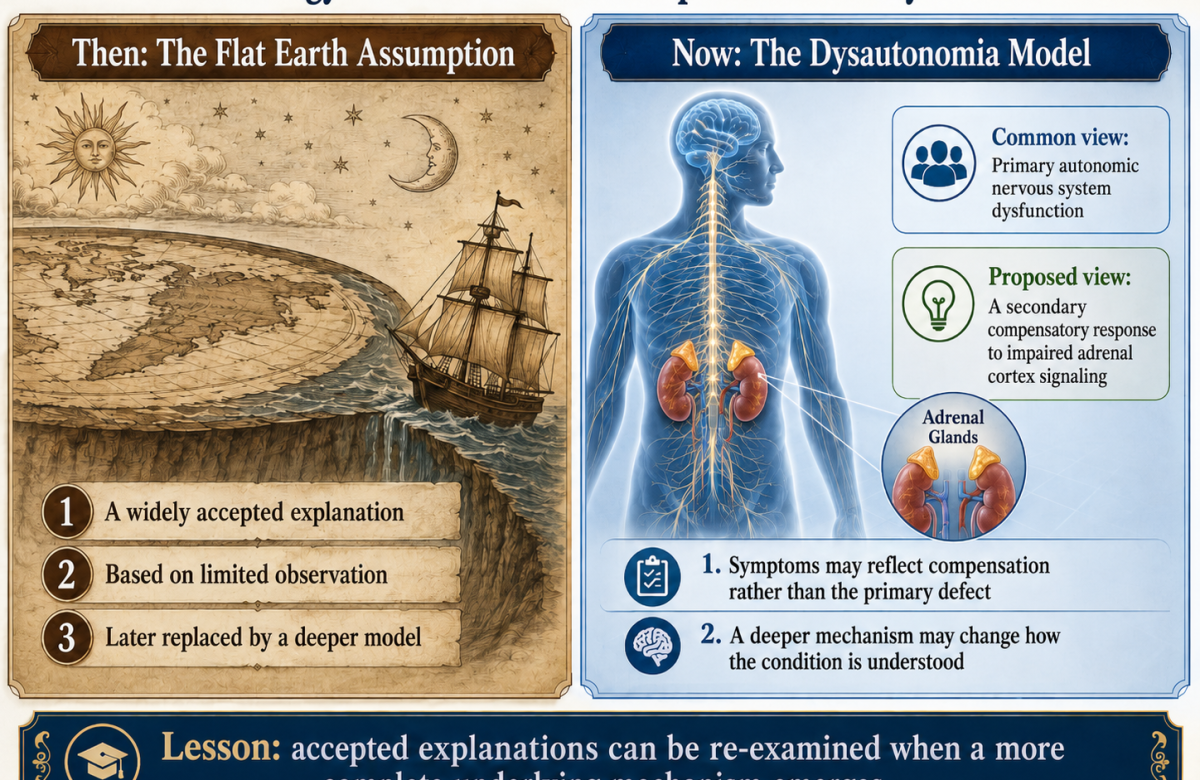
The mechanism behind this early presentation follows the same pathophysiology observed in adult patients:
1. Congenital adrenal insufficiency results in inadequate stress hormone production from birth
2. The body compensates with chronic sympathetic nervous system activation
3. Sympathetic hyperactivation manifests as dilated pupils, among other signs
4. The infant exists in a chronic state of physiological stress response from birth
The Significance of Early Detection
Nutritional Optimization in Early Life
This early manifestation is profound because it indicates that the compensatory mechanisms are already active from birth, rather than developing over time in response to accumulated stress. The baby’s sympathetic nervous system is working appropriately given the inadequate adrenal signaling, but this chronic activation sets the stage for the complex symptom patterns that typically emerge decades later.
The critical insight is that when adequate nutritional support is provided to meet the infant’s elevated metabolic demands, the sympathetic nervous system activation should normalize, and the dilated pupils should resolve. This represents a shift from treating established symptoms to preventing their development entirely.
Key components of early intervention:
- Recognition of dilated pupils as a potential marker
- Assessment of other subtle signs of sympathetic activation
- Comprehensive nutritional evaluation and optimization
- Monitoring for resolution of sympathetic signs
- Long-term nutritional support as needed
The Critical Window
The neonatal period and early infancy represent the most critical window for intervention. During this time:
- Neural pathways are still developing
- Compensatory patterns have not become entrenched
- Nutritional interventions may have maximal impact
- Prevention is more effective than later treatment
- The development of chronic fatigue syndromes
- POTS and other dysautonomia presentations
- Joint hypermobility from muscle weakness
- Mast cell activation patterns
- The complex multi-system presentations typically seen in adulthood
- Reactive treatment of complex adult syndromes
- To proactive prevention through early recognition and intervention
Clinical Recognition and Assessment
- Pupils that remain dilated across different lighting conditions
- Absence of other causes (medications, eye disorders, neurological conditions)
Supporting signs that may accompany dilated pupils:
- Heightened startle response
- Difficulty with temperature regulation
- Sleep disturbances
- Feeding difficulties
- Excessive crying or apparent distress
- Signs of sympathetic activation (increased heart rate, sweating)
- Neurological conditions
- Eye disorders or injuries
- Medication effects
- Toxic exposures
- Other medical conditions affecting pupil response
- Enhanced nutritional support for nursing mothers
- Optimal infant nutrition during critical development periods
- Recognition that these infants may need more nutritional support than typical recommendations
- Long-term nutritional planning rather than short-term intervention
- Resolution of dilated pupils
- Decreased signs of sympathetic activation
- Improved sleep patterns and settling behavior
- Better temperature regulation
- Overall improved comfort and development
- Establish the prevalence of dilated pupils in newborns
- Correlate early signs with later development of symptoms
- Develop standardized assessment protocols
- Study intervention outcomes
- Long-term follow-up studies could track:
- Children identified with early signs who received intervention
- Comparison with untreated controls
- Development of symptoms over time
- Effectiveness of various intervention strategies
- Healthcare providers need education about:
- Recognition of dilated pupils as a potential marker
- Understanding of the underlying pathophysiology
- Appropriate assessment and intervention strategies
- Long-term monitoring and support needs
- Integration into routine newborn care:
- Systematic assessment of pupil response
- Documentation of findings
- Referral pathways for identified cases
- Follow-up protocols for monitoring
- For affected individuals, early recognition and intervention could mean:
- Prevention of decades of unexplained symptoms
- Avoidance of multiple specialist referrals and diagnoses
- Better quality of life throughout development
- Reduced healthcare costs and utilization
- At a population level, this approach could:
- Significantly reduce the prevalence of adult dysautonomia syndromes
- Decrease healthcare burden from complex, multi-system conditions
- Improve overall population health and productivity
- Transform understanding of these interconnected conditions



This article presents clinical observations and theoretical frameworks that require further systematic research and validation. Healthcare providers should always consider and rule out other potential causes of dilated pupils in newborns before attributing them to subclinical adrenal insufficiency.
For more information on this topic, read the book The Hidden Epidemic: Subclinical Adrenal Insufficiency and the Fatigue Syndromes (Uncovering the Root Cause of Chronic Fatigue, POTS, and Dysautonomia). John J. Herbert, DC